
















Iran - A narrative of Islamic identity amid unity and political turbulence
Islam plays a central role in shaping Iran’s economy because the country is an Islamic Republic grounded in Twelver Shiʿa Islam, where religious authority influences political and economic decision-making. After the 1979 Revolution, Islamic principles such as social justice, state responsibility for welfare, and the prohibition of interest (riba) were embedded into economic institutions, most notably through a fully Islamic banking system.

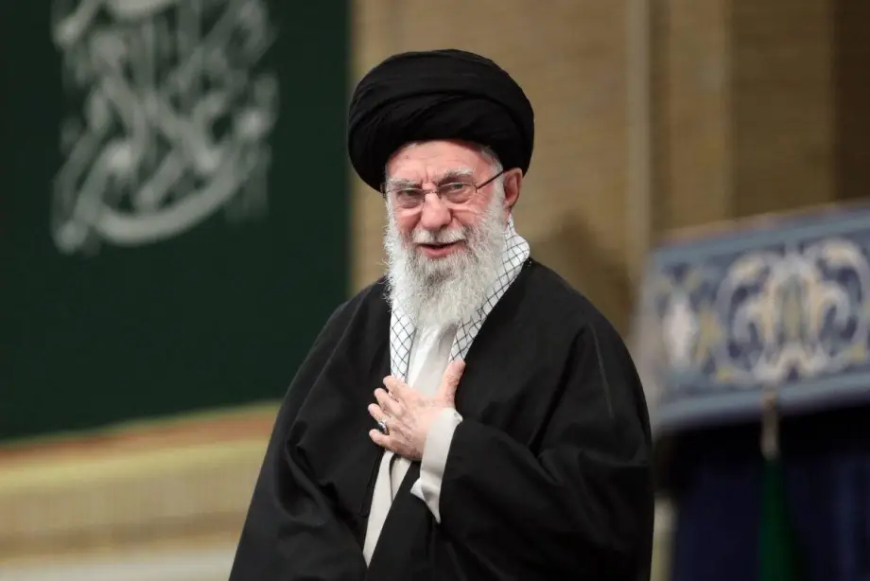
The intricate relationship between religion, politics, and governance in Islam, particularly evident in the historical context of Iran, underscores Islam's holistic approach to life. Ruhullah Khomeini (1902–1989), explicitly rejected secularism. Islam, he argued, is the religion of politics and as such everything in Islam is political.
The socio-economic development of Iran has been profoundly influenced by key historical events such as the Constitutional Revolution of 1906, the Oil Nationalization Movement, and the Islamic Revolution of 1979. While Iran possesses rich natural resources, strategic geographical positioning, and a substantial reservoir of physical and human capital, its development has been hindered by persistent socio-political instability and intermittent episodes of upheaval. The Constitutional Revolution marked a transition to modern political institutions but was followed by challenges in implementation. The successful nationalization of Iran's oil industry in the 1950s asserted sovereignty over resources but also led to foreign intervention and subsequent instability. The Islamic Revolution brought about significant socio-economic changes but also resulted in political repression and a decline in human rights. The necessity for stable governance and institutional reform remains critical for Iran to fully harness its potential and achieve sustained socio-economic progress.

The intricate relationship between religion, politics, and governance in Islam, particularly evident in the historical context of Iran, underscores Islam's holistic approach to life. From its inception, Islam has intertwined religious and political authority, challenging the legitimacy of monarchies by emphasizing principles of consultation in governance. Ruhullah Khomeini (1902–1989), explicitly rejected secularism. Islam, he argued, is the religion of politics and as such everything in Islam is political. The Safavid period marked a pivotal shift with the declaration of Twelver Shiism as the state religion, though tensions between the state and religious authorities emerged over time, intensifying during the Qajar era. In the 19th century, the ulema, wielding significant power, often acted as a check against perceived threats to Islam and Iranian society, mobilizing protests and demonstrations against foreign domination and erosion of their own authority, as seen in events like the Reuter Concession in 1872 and Tobacco Concession 1892. This dynamic illustrates the complex interplay between religious authority, state power, and societal forces, shaping the historical trajectory of Iran and its governance structures.
The religio-clerical opposition led by Ayatollah Ruhollah Khomeini against the regime of the Shah of Iran, Mohammad Reza Pahlavi, particularly in response to the Shah's White Revolution of 1963–1964 aimed at modernization. Khomeini criticized the regime's actions, such as attacking religious schools and targeting religious students, likening them to past invasions like the Mongol invasion. He framed support for the Shah as tantamount to abandoning Islam and infringing upon Muslim rights, utilizing religious rhetoric to mobilize opposition. This opposition eventually culminated in the Iranian Revolution of 1979, overthrowing the Shah's regime and establishing an Islamic Republic with Khomeini as its Supreme Leader. He advocated for the statist economic policies of the radicals. He rejected the conservatives’ assertions about the sanctity of private property and, in 1988, accused them of practicing an “American brand of Islam.”

Following the Islamic Revolution in 1979, Iran embarked on a path toward economic independence, aiming to reduce reliance on Western powers and achieve self-sufficiency. The Ashura march in 11 December 1978 symbolized this aspiration, demanding economic independence, agricultural rejuvenation, and the development of industries to break free from foreign domination. However, the revolution was soon met with formidable challenges, including the Iran-Iraq War, economic mismanagement, and political instability, precipitating a profound structural crisis. This period saw a significant decline in economic growth, per capita income, and trade, exacerbated by fluctuations in oil revenue and disruptions in the international oil market.

What's Your Reaction?