
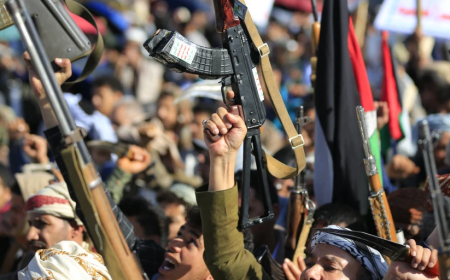











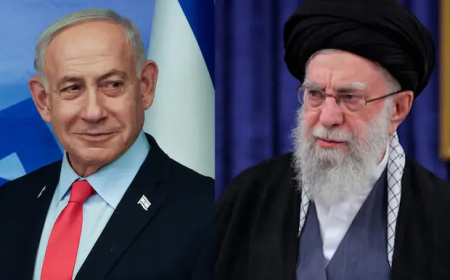






Who are the Houthi's ? A historical and political study
Initially, the Houthis were not a militant group but a revivalist religious movement aimed at: 1)Preserving Zaydi identity 2)Resisting cultural and political marginalization 3)Opposing foreign influence, especially from the United States and Saudi Arabia

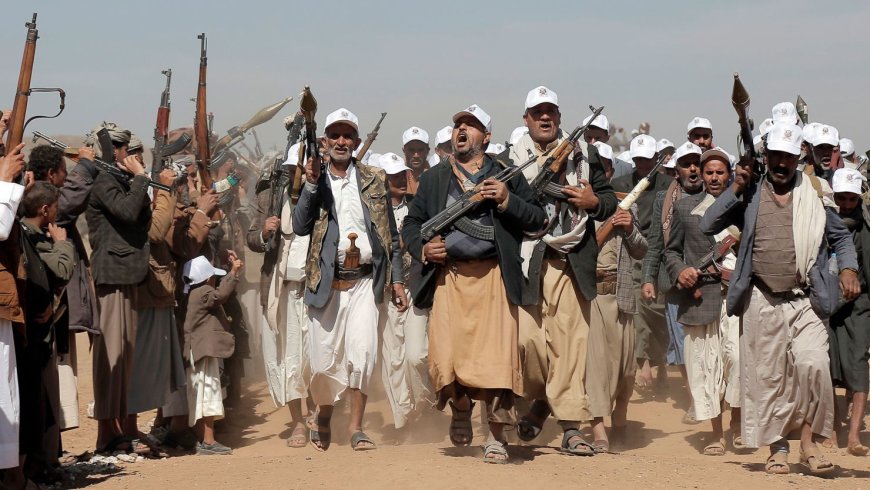
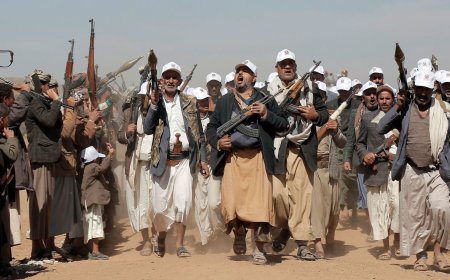
The Houthis, officially known as Ansar Allah (meaning “Supporters of God”), are a political, religious, and military movement that emerged in northern Yemen. Over the past two decades, they have transformed from a small regional insurgency into one of the most powerful non-state actors in the Middle East. Today, they control large parts of Yemen, including the capital Sana’a, and play a crucial role in regional geopolitics.
Understanding the Houthis requires examining their religious roots, historical evolution, political grievances, and role in Yemen’s ongoing civil war.
Religious and Social Origins-
The Houthis originate from the Saada province in northwestern Yemen, a region historically associated with the Zaydi branch of Shia Islam.
Zaydism differs significantly from other forms of Shia Islam, such as that practiced in Iran. It has traditionally been more moderate and closer to Sunni Islam in some beliefs. However, over time, Zaydi communities in Yemen felt increasingly marginalized politically and economically.
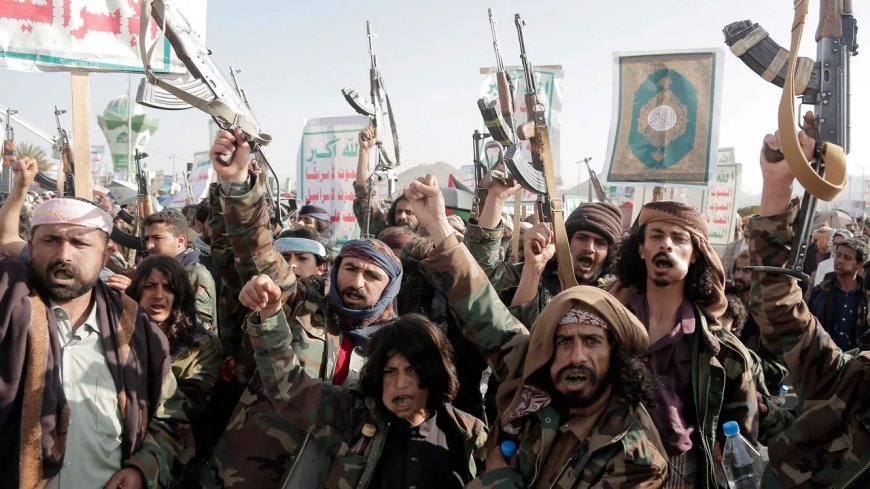
The movement takes its name from Hussein al-Houthi, a Zaydi cleric and political activist who founded the group in the 1990s.
Initially, the Houthis were not a militant group but a revivalist religious movement aimed at:
-
Preserving Zaydi identity
-
Resisting cultural and political marginalization
-
Opposing foreign influence, especially from the United States and Saudi Arabia
Early Development (1990s–2004)
The roots of the Houthi movement can be traced to the 1990s, when Yemen underwent political transformation after unification (North and South Yemen merging in 1990). During this period:
-
Zaydi elites lost political power
-
Economic conditions worsened in northern Yemen
-
Religious tensions increased
Hussein al-Houthi began mobilizing followers through religious education and political activism. His movement criticized the Yemeni government under President Ali Abdullah Saleh, accusing it of corruption and alignment with Western powers.
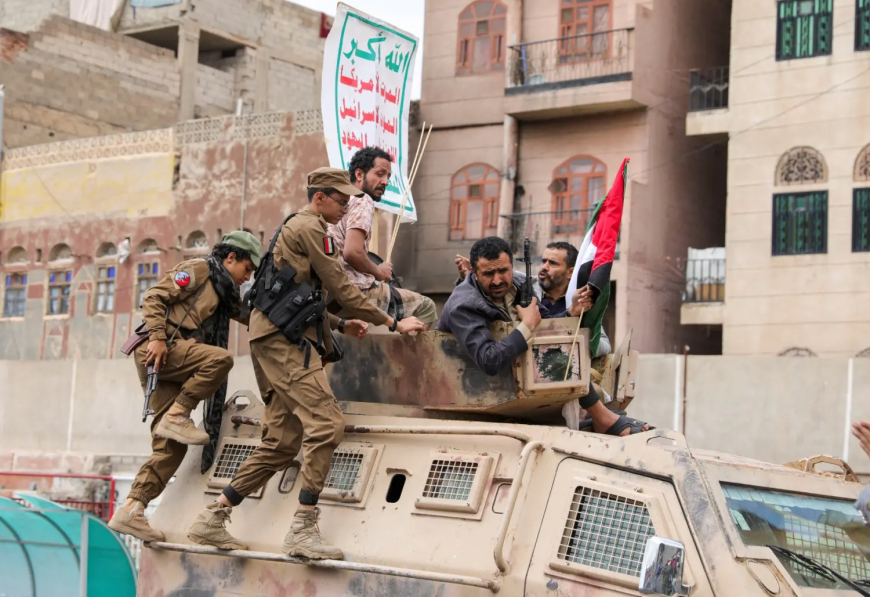
The turning point came in 2004, when the Yemeni government attempted to arrest Hussein al-Houthi. This led to armed conflict, and he was killed by government forces. His death sparked the Houthi insurgency, marking the beginning of a prolonged conflict.
The Houthi Insurgency (2004–2010)
After Hussein al-Houthi’s death, leadership passed to his brother Abdul-Malik al-Houthi, who continues to lead the movement today.
Between 2004 and 2010, the Houthis fought a series of wars against the Yemeni government, known as the Saada Wars. During this period:
-
The movement gained military experience
-
It built strong tribal alliances
-
It expanded its territorial influence
Despite repeated government offensives, the Houthis survived and strengthened, partly due to local support and the difficult mountainous terrain of northern Yemen.
Role in the Arab Spring (2011)
The Arab Spring (2011) was a major turning point for the Houthis. As protests spread across Yemen:
-
The Houthis joined anti-government demonstrations
-
President Ali Abdullah Saleh was forced to step down
-
Political instability increased
The Houthis participated in the National Dialogue Conference, which aimed to create a new political system. However, they later rejected the proposed settlement, claiming it did not adequately represent their interests.
This period allowed the Houthis to gain political legitimacy and expand their influence beyond Saada.
Rise to Power and Capture of Sana’a (2014)
In 2014, the Houthis made a dramatic move by advancing southward and capturing Sana’a, Yemen’s capital.
This event marked their transformation from a regional group into a national power.
Key developments included:
-
Mass protests against fuel price hikes
-
Alliance with former President Saleh (their former enemy)
-
Seizure of government institutions
By early 2015, the Houthis had forced the Yemeni government to resign, effectively taking control of the country’s political center.
The Yemeni Civil War (2015–Present)
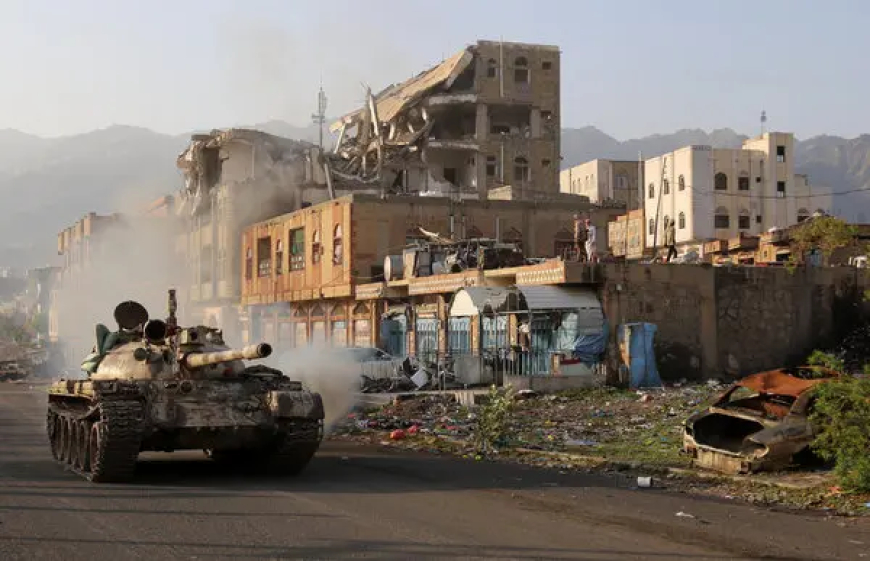
The Houthi takeover triggered a full-scale civil war. In 2015:
-
A Saudi-led coalition intervened to restore the internationally recognized government
-
The conflict became a regional proxy war, especially between Saudi Arabia and Iran
The Houthis are widely believed to receive support from Iran, including military and logistical assistance.
The war has resulted in:
-
Massive humanitarian crisis
-
Millions facing famine
-
Destruction of infrastructure
Despite heavy airstrikes and opposition, the Houthis have maintained control over much of northern Yemen, including key ports and cities.
Ideology and Political Goals
The Houthis combine religious ideology with political objectives. Their core beliefs include:
-
Opposition to Western and Israeli influence
-
Resistance to Saudi dominance in the region
-
Promotion of Zaydi political identity
-
Desire to govern Yemen
Their slogan reflects their ideological stance:
“Death to America, Death to Israel…”
However, analysts note that their motivations are not purely religious. They also reflect:
-
Local grievances
-
Economic inequality
-
Tribal and regional politics
Transformation into a Regional Actor
In recent years, the Houthis have evolved beyond a domestic force into a regional military actor.
They have:
-
Launched missile and drone attacks
-
Targeted Saudi and UAE infrastructure
-
Attacked shipping in the Red Sea
-
Fired missiles toward Israel during regional conflicts
These actions have increased their global visibility and strategic importance.
Governance and Control
In areas under their control, the Houthis have established a de facto government. This includes:
-
Taxation systems
-
Security and intelligence networks
-
Control over media and education
However, international organizations have accused them of:
-
Human rights abuses
-
Suppression of dissent
-
Recruitment of child soldiers (United Nations)
Their governance is often described as a mix of:
-
Tribal authority
-
Religious ideology
-
Military control
Current Situation and Global Impact
As of today, the Houthis remain one of the most influential forces in Yemen and the wider Middle East.
Recent developments show:
-
Continued control over northern Yemen
-
Ability to influence global shipping routes
-
Growing involvement in regional conflicts
Their actions in the Red Sea have raised concerns about:
-
Global trade disruptions
-
Energy supply risks
-
Escalation of international conflict
Conclusion
The Houthis began as a localized religious revivalist movement but have transformed into a powerful political and military force with regional influence. Their rise reflects deep-rooted issues in Yemen, including political instability, economic inequality, and external interference.
Today, the Houthi movement stands at the center of:
-
Yemen’s civil war
-
Middle Eastern geopolitics
-
Global security concerns
Understanding their history is essential to understanding not only Yemen’s crisis but also the broader dynamics shaping the modern Middle East.
What's Your Reaction?