


















In the times of war: How Poland is preparing its people for an unwarranted crisis
Polish Govt. has also started to prepare Polish citizens for crisis events. The mentality shift in Chełm illustrates the kind of readiness Poland’s government would like to instil across its society, albeit with the more formal skills offered by ‘Always Ready’ training.

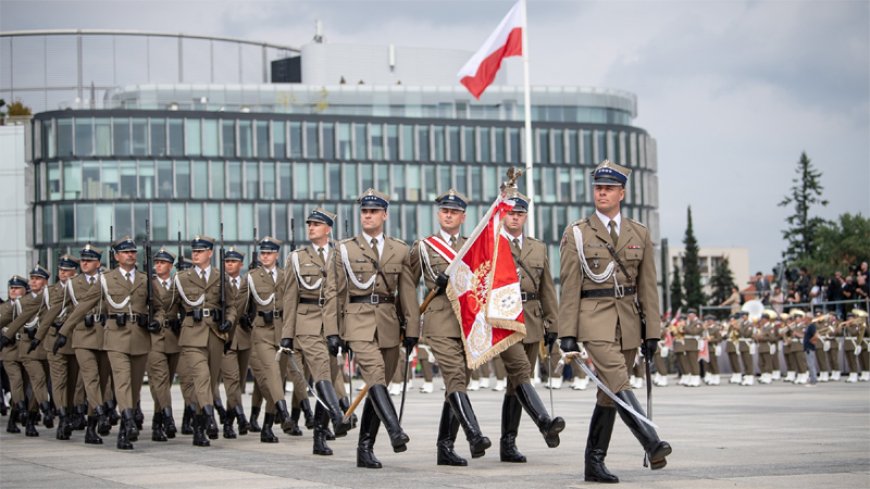
They’re volunteers in Poland’s new ‘Always Ready’ (wGotowości) program – a nationwide initiative aiming to train 400,000 citizens basic survival skills by 2027.
The war raging in neighboring Ukraine, combined with Russia’s sabotage operations across Europe, has cast an uneasy shadow over Poland, increasing concerns that, for the first time in over a generation, the country may face an existential threat.
‘Always Ready’ stops short of teaching martial skills but aims to build a mentality of readiness, teaching citizens of all ages how to survive should they find themselves in a crisis that upends ordinary life. Piotr Kobzdej, an adviser at the Polish Defense Ministry, told that the government’s most important challenge is encouraging “a change in awareness” among Poles without direct experience of war.
“It is about investing in the security of Poland and Poles,” he continued, adding: “War may start with soldiers, but it always ends with civilians.”
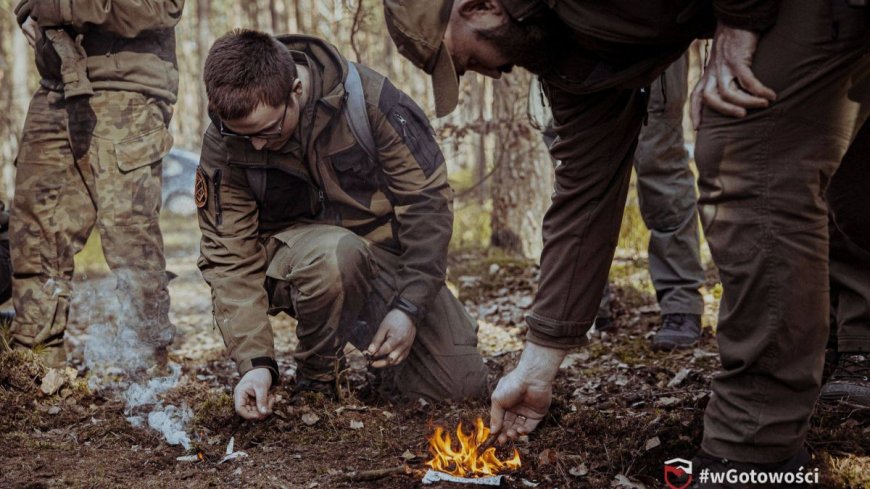 The initial ‘Always Ready’ program ran for six weeks towards the end of 2025. A fuller version, still voluntary, is set to begin later this year. Photo: WOT
Travelling to the eastern Polish city of Chełm, around 25 kilometers from the border, is pretty much as close as you can get to Ukraine without entering the war-torn country, and you can feel it.
Residents say they often hear fighter jets flying overhead, sent to patrol the skies as Russia launches nightly attack on Ukraine.
At a military base in Chełm, an ‘Always Ready’ training instructor from Poland’s Territorial Defense Forces (WOT), which have led the program nationwide, told that: “We are no longer living in [Francis Fukuyama’s] ‘end of history’.
“We have the neighbours that we have. We have a war on our eastern border. The world is changing very dynamically,” they added. But at the same time, Chełm is remarkably calm. Four years on from the outbreak of Russia’s full-scale invasion, people have clearly grown accustomed to the war.
“I remember when objects crossed our airspace and F-16s were flying overhead,” one local who went through the ‘Always Ready’ training. “People elsewhere panicked, but here it was more like, ‘Oh, so that happened.’
“Society prepares mentally over time. Maybe people are more prepared now than four years ago,” they added.
Readying society for crisis -
Given these dramatic geopolitical changes, Poland’s government has set about modernizing its armed forces, allocating record spending on defense.
But it has also started to prepare Polish citizens for crisis events. The mentality shift in Chełm illustrates the kind of readiness Poland’s government would like to instil across its society, albeit with the more formal skills offered by ‘Always Ready’ training.
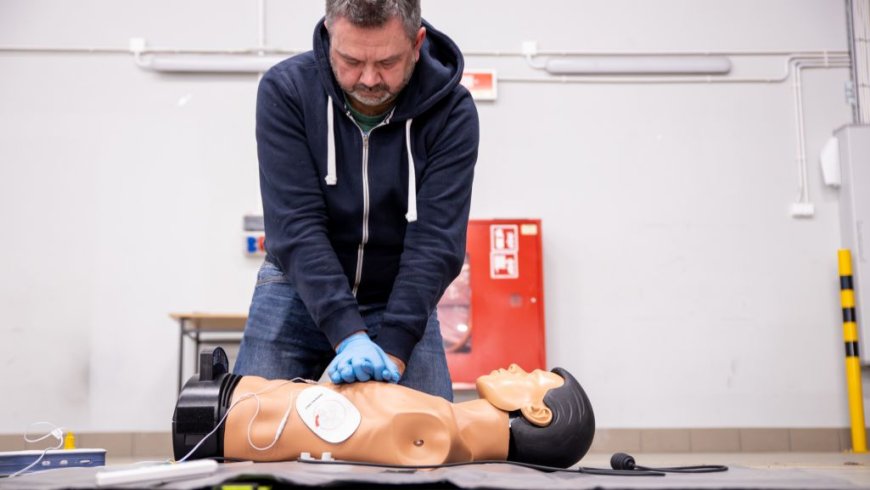 Always Ready’ instructors and volunteers emphasized that the training is useful for all sorts of emergency situations. Photo: WOT
The voluntary training, which is expected to come out in an expanded format this year following a pilot phase in late 2025, is “not about frightening people, but about telling the truth.”
Asked whether the government believes Poland might one day find itself at war like Ukraine, the adviser said the country is not “free from threats,” pointing for example to a recent attempt to sabotage a railway line.
Everyone thinks we live in times when all our needs are met. We go to the store and we have everything,” Brykner said. “But it may happen that this system collapses and we have to start doing things differently.”
This is why, in addition to the ‘Always Ready’ training, the government has sent out an emergency guide to every household, while also setting up mobile apps showing the location of nearby shelters and school programs for civil defense education.
More than a war but coming together of a nation -
While the situation in Ukraine has evidently propelled such changes, volunteers who have gone through the ‘Always Ready’ training made it clear that significant, geopolitical factors were not always their motivation.
"For me it didn’t matter what’s happening now in the country or near us,” one worker at a homeless shelter in Chełm, adding: “Even if everything everywhere were calm, I still think this training is so necessary...I said right away that it should be taught in every school.”
A WOT spokesperson outlined the training is not meant to be specific to the war in Ukraine but about readying society “in a much broader sense”.
This program prepares us for conditions we don’t yet know,” they said, adding: “It could be war, it could be a natural disaster, it could be a sudden life-threatening situation for us or for another person that needs our help.”
The spokesperson added that the training is also about “building a sense of community” as people see the military “cares about them” and they want to give back.
WOT exemplifies this connection as its forces are made up in part of civilian volunteers, and because it is designed to support the regular army in local areas. Their motto, “Always ready, always close”, adorns the walls of the WOT base in Chełm alongside images of famous Polish military heroes like Józef Piłsudski.
What's Your Reaction?